
Research
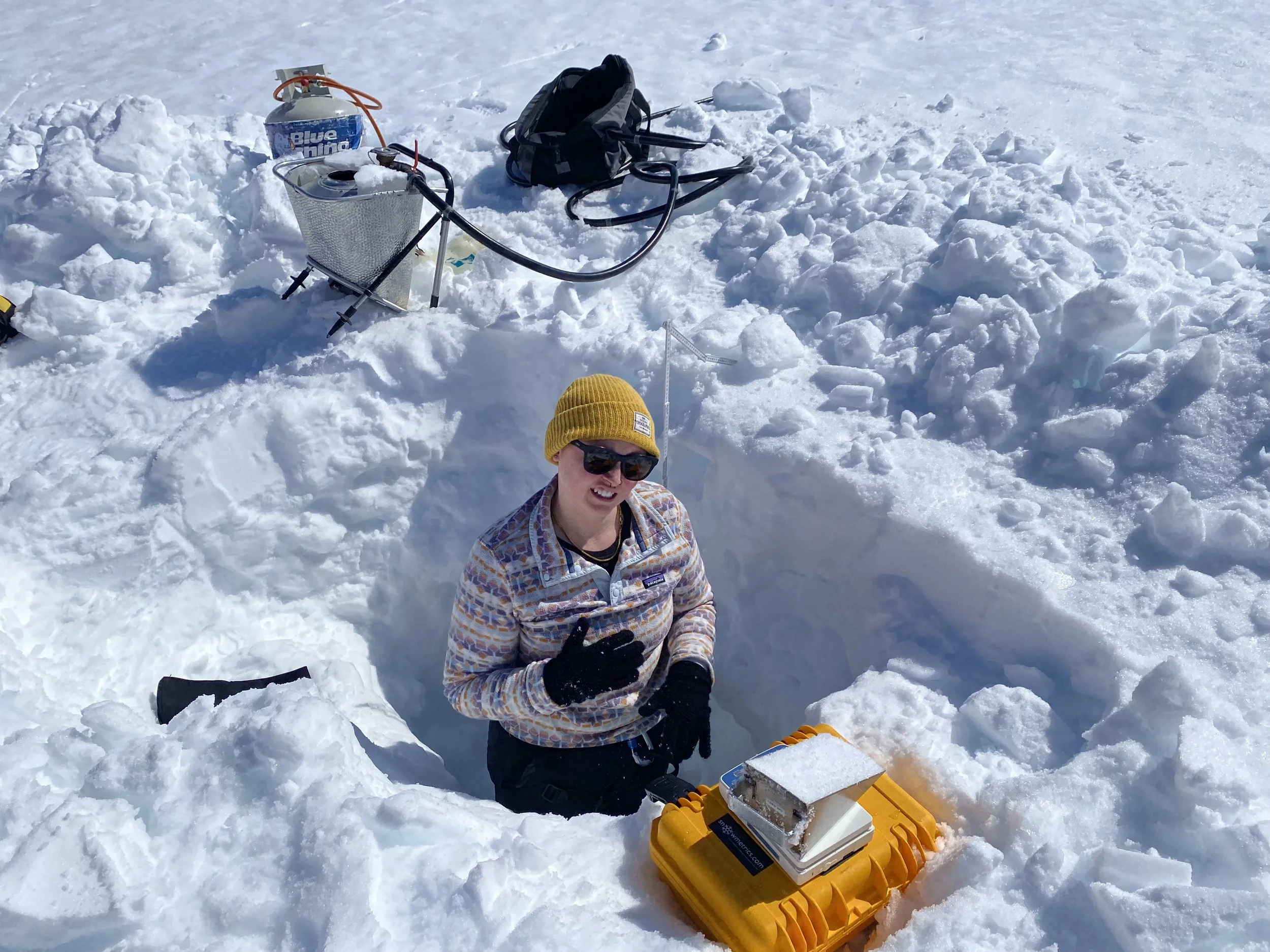
Junior Practicum- Quantifying Discharge from Differing Glacier Coverage within the East/West Forks of Eklutna Watershed
Glacierized basins are efficient producers of water runoff by yielding 2 to 10 times greater runoff than non-glacierized basins of similar sizes (Mayo, 1984). Meltwater from the Eklutna Glacier, located in the Chugach Mountains, provides 93% of Anchorage’s drinking water, as well as 15-20% of its hydroelectric power. Eklutna lake is fed melt water from snow and glacier melt from a high (46%) and moderately glaciated watershed coverage (12%). Differing glacier coverage impacts stream flow variation. Historic USGS discharge measurements (1980s) and ongoing Alaska Pacific University (APU) measurements occur on the east and west/fork of Eklutna River. In this study I ask the following two related questions: (1) How has glacier coverage changed in the east/west fork watersheds over 1950s to present day? (2) How has discharge flow patterns changed from 1980s and 2010s within upper east/west fork of Eklutna River in relation to changing glacier coverage?
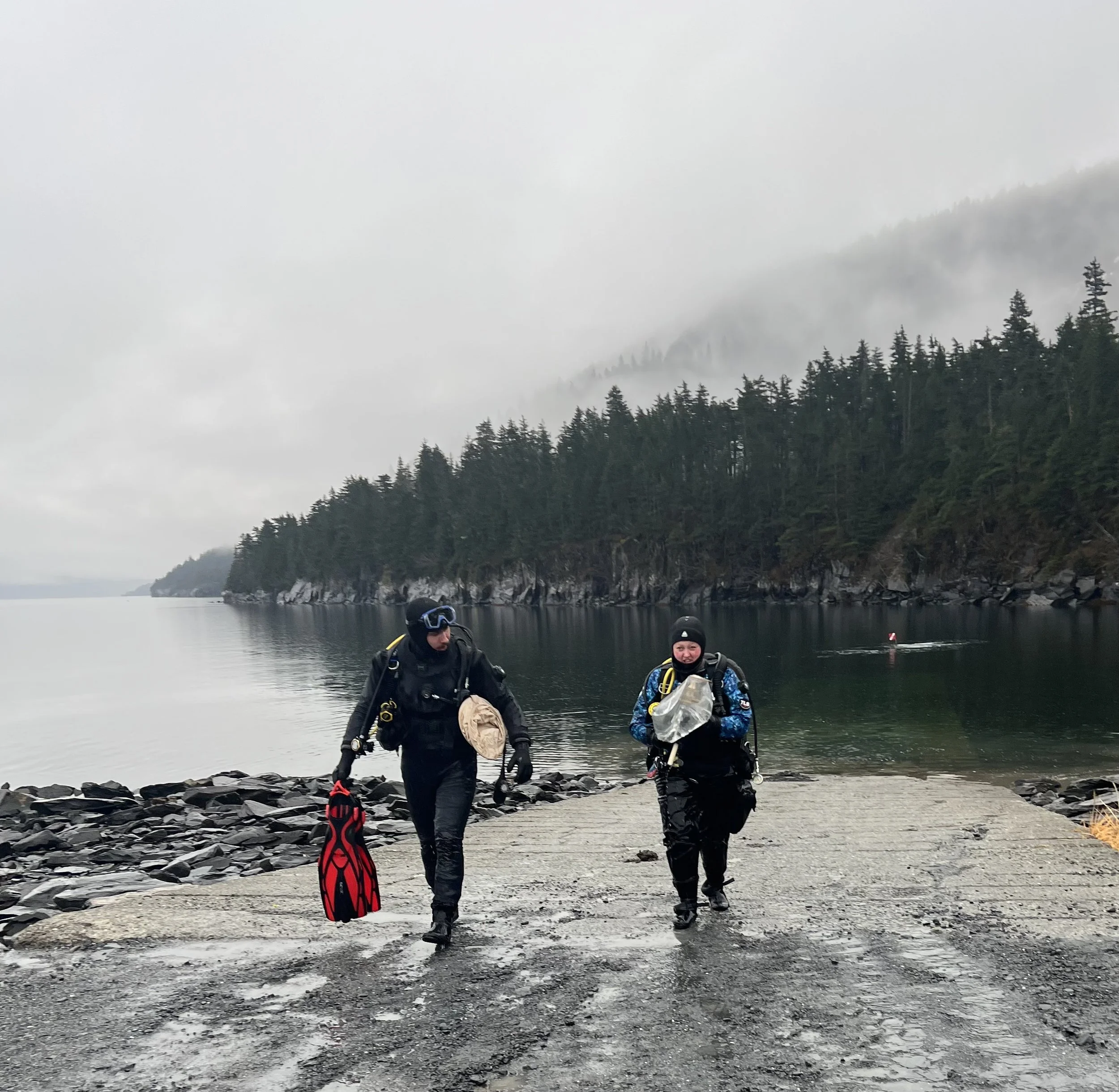
Senior Project- Seasonal Algae Settlement
in Smitty’s Cove, AK
Question 1. How does algae settlement and survival change in Smitty’s Cove over time?
Q2. Does settlement plate positioning and exposure matter?
Q3. Does grazing impact survival and succession of algae?
Hypothesis 1. We expect to see high settlement and survival during summer and then die off in winter, mirroring plankton life cycle.
H2. Plates with more surface and sunlight exposure will have the most growth.
H3. Grazed areas will have noticeably less algae and will not be able to recover as well, especially in winter months.
Proposed Graduate Research
Building on my undergraduate work in glacial hydrology and nearshore algal ecology, my proposed graduate research will focus on applied marine restoration and habitat design. I am interested in how substrate composition, structure, and placement influence algal and invertebrate settlement, survival, and succession in degraded reef and kelp systems.
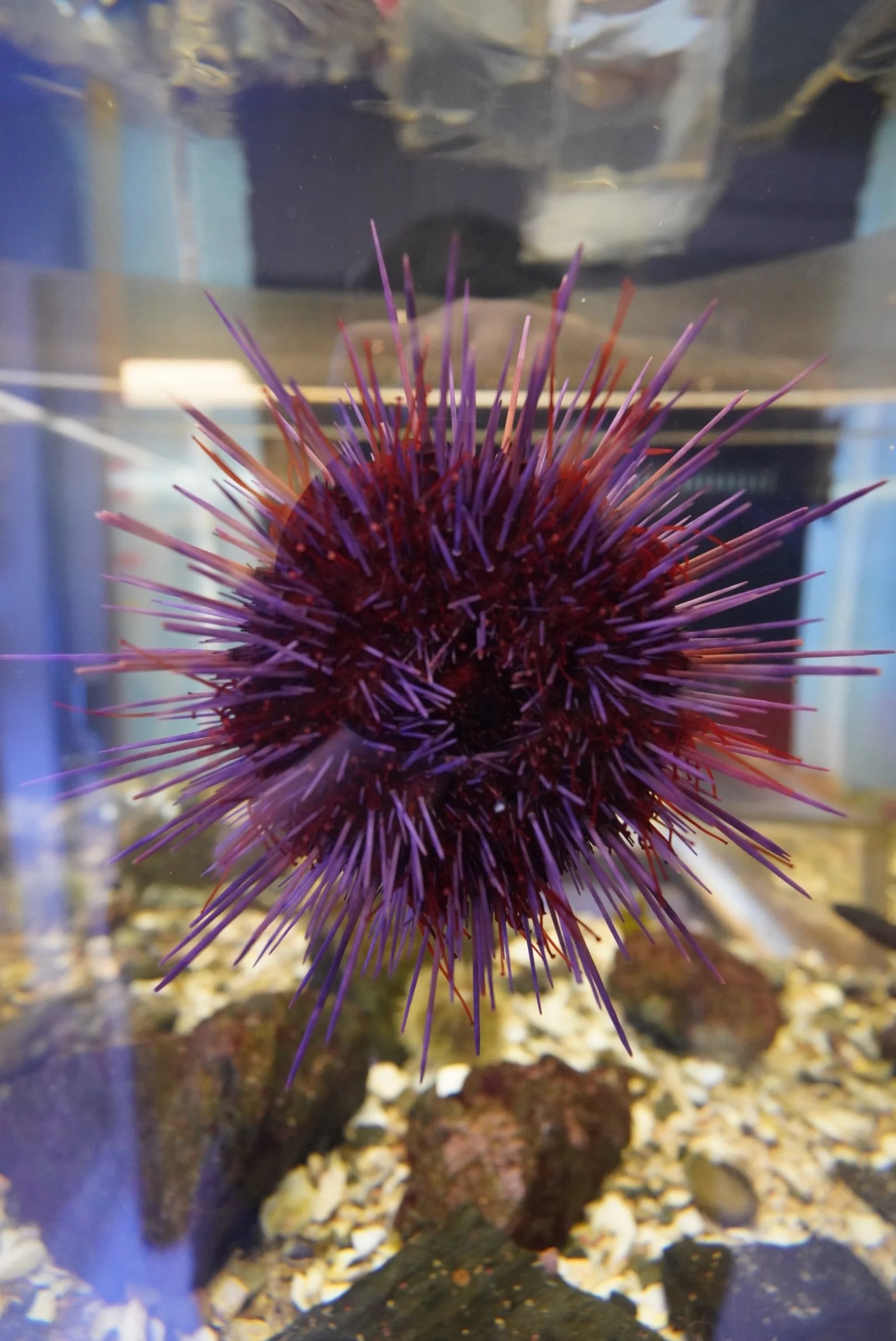
My work will integrate scientific diving, field experimentation, and material-based approaches, including the use of invasive or excess marine biomass (e.g., urchins, sargassum, kelp) to develop bioavailable restoration substrates. This research is intended to support scalable, nature-based solutions and serve as the foundation for a master’s thesis and future funding opportunities.